
Writing is a process! Teaching writing to students in steps is much easier on the students than forcing or rushing an entire piece in one class. When taught in steps teachers also have the benefit of observing where students may go off track and correct them on that step before moving on to the next step. Where were these wonderful steps when I was going to school?
The 8-step writing process is the key to teaching writing. It’s a series of steps that have students working on various aspects of the writing process. The partial run-through that we did in class was extremely helpful in relating theory to practice. Especially in discerning how topics given by students can be worded or corrected. The 8-step writing process is not just for students but also for someone like myself who is on the fence about writing a book and how I can go about getting some serious writing done.
Step 1- Idea: The students are tasked with creating a topic. My topic was “How to protect yourself online” but originally it was “Monster Hunter, one of the hardest games I ever played”. You guys know I love video games.
Step 2- Think: During this step students think about the relevance of their topic or idea. What is your reason for writing about this topic? Who would enjoy reading your piece? Basically, what will your reader think while reading your piece? While completing this step I got more ideas on my topic that made me certain I wanted to go with my chosen topic.
Step 3- Tie Idea and Reader: This step was pretty easy. You are simply focusing on your topic and ensuring that it is stated correctly. My original topic “How to protect yourself online” was changed to “How students can protect themselves when communicating online”.
Step 4- Gather Information: This step consisted of collecting information that is relevant to your topic. It helps in inspiring the writer because while gathering information they are exposed to facts that are relevant to their topic. I was glad I didn’t go with the Monster Hunter topic lol.
Step 5- Study: During this step, you are simply filtering out the information that you would like to use for your topic. Guys remember to cite all information!!!
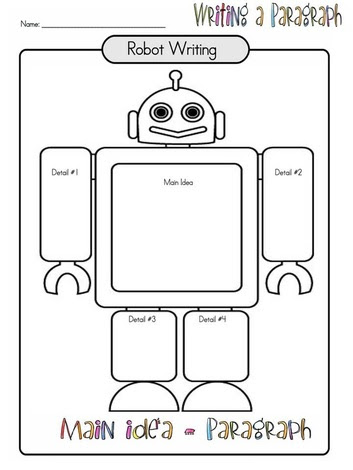
Step 6- Design: This was the last step that we made it to during class but it was really fun designing an organizer that incorporates the information that we would use while writing. I can see this being very beneficial while writing, especially with keeping on target with the information we want to cover in our writing.

Hey Demante! I must say, awesome job on your organizer. The information you have gathered thus far will definitely be beneficial to students as they enter the online world. I have watched quite a few true crime documentaries where both boys and girls have been lured out of their homes by online predators. These situations can easily be avoided if children/teens are educated on the importance of being safe on the internet. You definitely made the right choice with this topic! I cannot wait to read the final product.
ReplyDeleteCheers!
Sup @Demante! I couldn’t help as I glanced through your blog as I always do before reading any blogs, and seeing your detailed graphic organizer that you have developed for the use of writing your expository writing piece. It was really good and I see children learning a lot from your selected topic.
ReplyDeleteLol. I too strongly agree. ‘Where were all these wonderful steps when I was going to school?’. These eight steps mainly for the success of expository writing but I am sure can be used for other types of writing as well, are essential and truly beneficial for both student and teacher in and outside the classroom. I have heard you mentioned about creating your own book and these steps and the graphic organizers introduced can be your beginning phase to this goal. Why not jump on board, for we know great authors take some time to develop and publish their books.